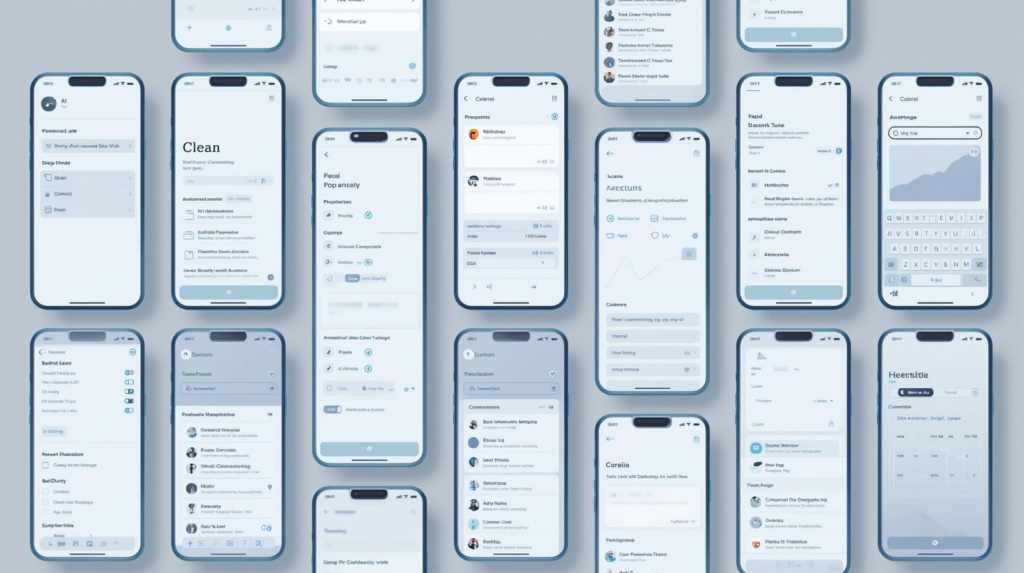
I remember the first time someone asked me, “Are you scared AI will take your job as a UX designer?” Honestly? I paused. Not because I was scared but because the question itself revealed a misunderstanding of what UX really is.
AI is impressive. It’s fast. It’s efficient. But UX design? UX is human. And speed alone has never built meaningful products.
AI Is Fast But Speed Is Not Intelligence
Let’s be clear: AI can generate layouts, suggest color palettes, summarize research, and even mock up interfaces in seconds. Tools like Figma AI are changing workflows and that’s not a bad thing. But here’s the uncomfortable truth many people miss:
“AI doesn’t think. It predicts”
It works by analyzing patterns from existing data. It doesn’t understand frustration. It doesn’t feel confusion. It doesn’t sit across from a user and notice hesitation, tone changes, or emotional cues. As UX designers, we don’t just design screens, we design decisions, flows, and experiences. And that requires something AI doesn’t have: empathy.
UX Research Needs Human Connection
In UX research, AI can help with secondary research:
- Market trends
- Competitor analysis
- Industry statistics
That’s useful. But it’s only the surface.
Primary research: user interviews, usability testing, contextual inquiry relies on human connection. It’s about reading between the lines.
I’ve had users say, “It’s fine,” while their body language screamed frustration. AI would log that as positive feedback. A designer knows better. You can’t automate intuition.
Figma AI Won’t Design the Experience for You
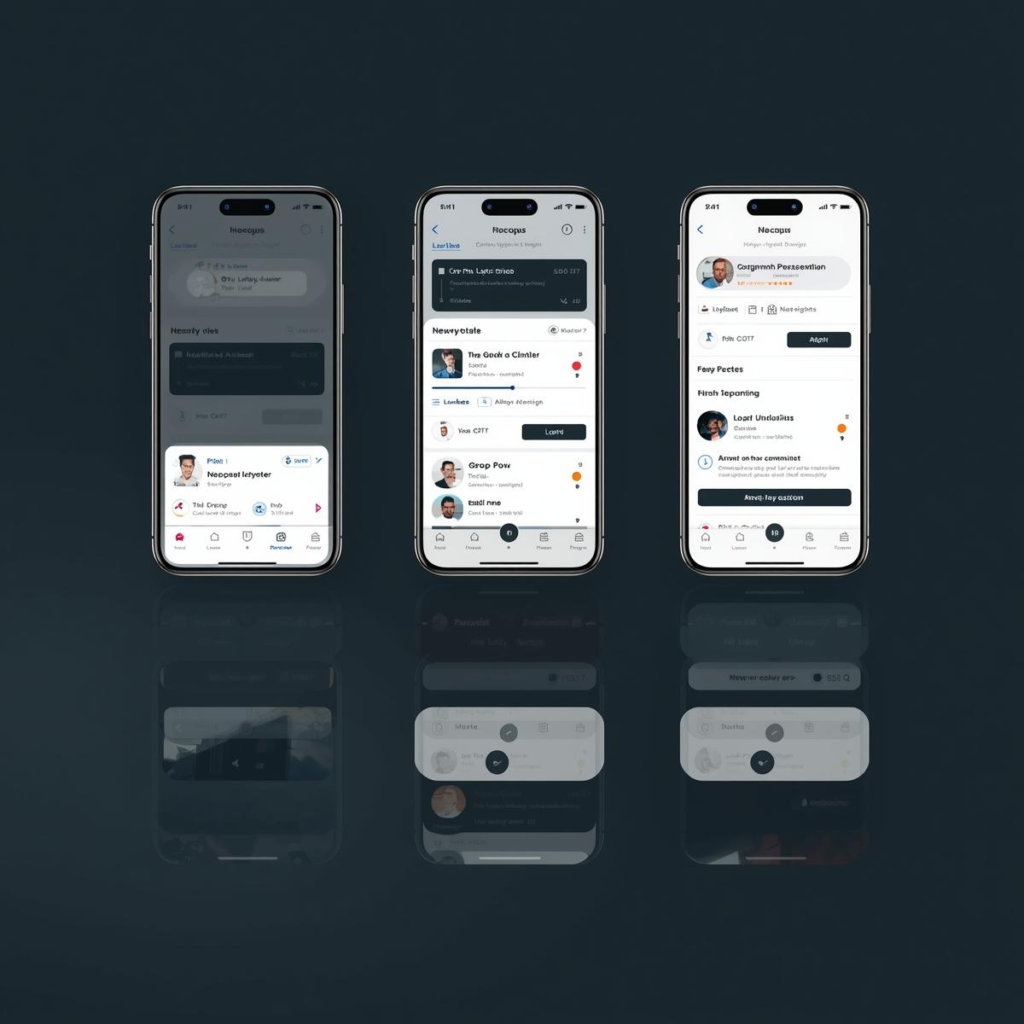
Yes, AI can suggest UI layouts, it can speed up ideation. But every experienced designer knows this already: Suggested layouts are not solved problems.
You still need to:
- Adjust hierarchy
- Fix accessibility issues
- Design edge cases
- Align the interface with real user goals
AI gives you a starting point not a finished product. Designing manually isn’t a limitation. It’s where intentional thinking lives.
The Security Conversation No One Is Having
Here’s another hard truth: AI-dependent products are vulnerable. I’ve personally seen AI-powered products launched without proper security design; no safeguards, no threat modeling, no consideration for abuse cases.
When products rely blindly on AI:
- They become easier targets for hacks
- They open doors to ransomware attacks
- They expose user data in dangerous ways
Security is not an afterthought, it’s a design responsibility. And AI, when trusted without human oversight, becomes a risk multiplier.
Product Design Is Beyond Visuals
Too many people think design is how things look. But real product design is:
- An idea carefully structured
- A solution intentionally validated
- A problem deeply understood
“Design is an idea on display”
And any idea that isn’t thoughtfully designed has a short lifespan. UX is the diamond of product development, it determines whether a product survives the market or quietly disappears.
So, Will AI Replace UX Designers?
No. But it will replace designers who stop thinking, stop empathizing, and stop learning. AI is a powerful assistant. Humans are the decision-makers.
The future of UX isn’t human vs AI. It’s human with AI: leading, questioning, and designing responsibly. And that’s a future I’m excited to be part of.