
Elerra Mobile App
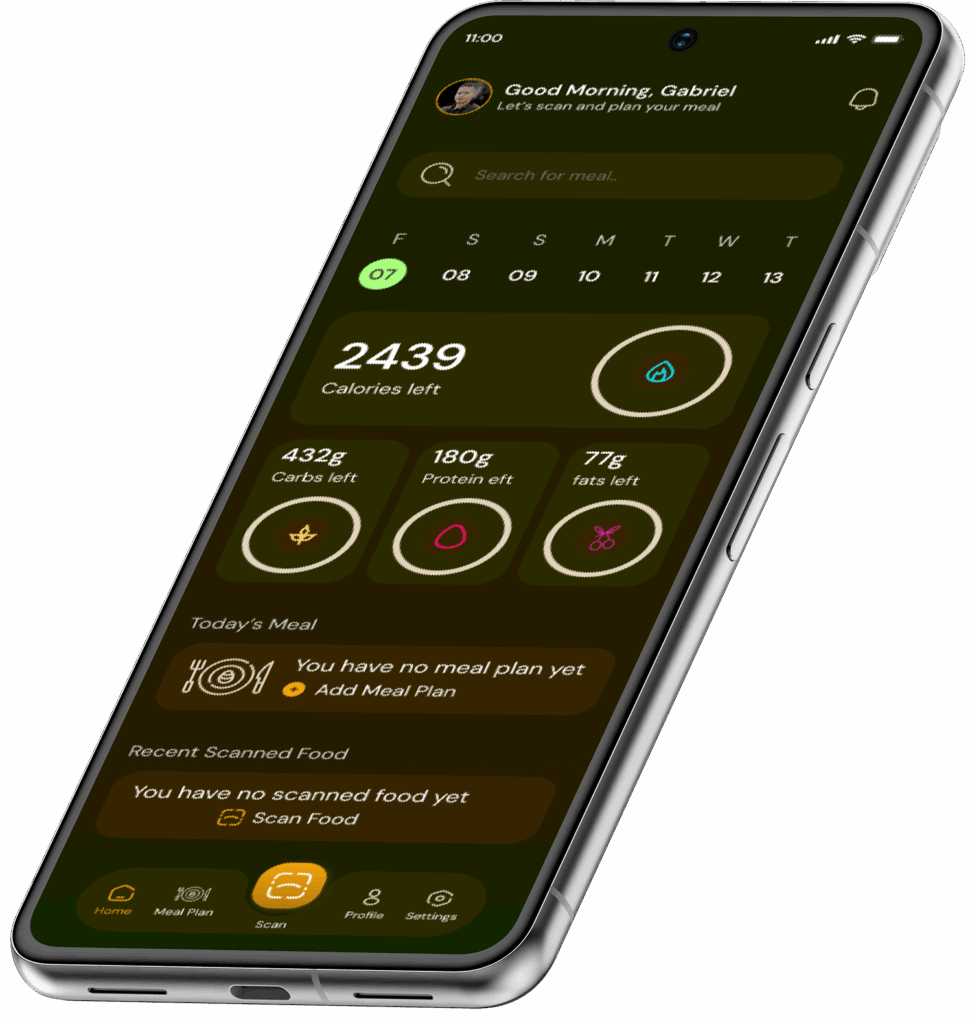
Elerra is a lifestyle and wellness mobile app that combines meal planning, goal tracking, and a food scanner into one cohesive platform. It’s designed to support users in building better eating habits by aligning daily food intake with long-term health goals.
Project Duration
- Twelve (12) weeks
- 5 Major Iteration Rounds before final approval by the Product Owner.
- Final handoff with developer-ready design files and prototype presentations
Under A Non-disclosure Agreement
Some details in this case study, including design assets and prototype links, are not publicly shared to respect the client's confidentiality and protect their intellectual property.
Project Overview
To lead the end-to-end UI/UX design for Elerra, a mobile app that helps users plan meals, track dietary goals, and scan foods to make smarter nutritional choices.
The app started as an ambitious idea by the Founder of Pavolera, who also served as the Product Owner.
Problem Statement
In today’s fast-paced world, people want to eat healthier, but don’t have the time or tools to consistently track their nutrition or plan their meals. Most existing apps focus on one feature; tracking, planning, or scanning, but none bring them together seamlessly into one app that adapts to user behavior over time.
Goals
Customer Goals
- Easily plan daily and weekly meals
- Get quick insights through food scanning
- Track progress toward personalized dietary goals
- Enjoy a simple, intuitive app experience that doesn’t feel overwhelming
Business Goals
- Build a market-ready MVP that can be pitched to investors and sponsors
- Stand out in the competitive health and wellness tech market with superior UX
- Establish Pavolera as a capable incubator of digital product innovation
Tools & Technologies
- Figma: Wireframes, UI Design, Prototyping
- Adobe Illustrator: Icons and visual assets
- Google Doc: Documentation and feedback tracking
- Slack + WhatsApp: Client communication
- Maze – Remote user testing
- App Store & Play Console: Store visuals and publishing collaboration
My Role & Responsibilities
- User Research: Conducted interviews and surveys to define user personas and uncover pain points.
- Information Architecture: Designed logical, user-friendly flows for core tasks.
- Wireframing: Sketched low-fidelity wireframes to outline structure and hierarchy.
- High-Fidelity Mockups: Created pixel-perfect visual designs that matched the app’s tone.
- Prototyping: Designed interactive flows for each feature using Figma
- User Testing: Ran usability testing sessions and gathered actionable feedback.
- Asset Preparation: Designed App Store and Google Play screenshots, complete with captions and messaging.
- Handoff: Delivered all final assets and design documentation to developers, following a live walkthrough presentation.
Challenges & Solutions
Balancing Simplicity with Functionality: With multiple features in one app, keeping the UI clean and intuitive was critical. I resolved this by:
Prioritizing key actions on each screen
Using progressive disclosure to avoid overwhelming users
Keeping navigation consistent across all modules
Ensuring Accessibility Across Diverse Users: Users ranged from fitness enthusiasts to those just starting their health journey. I solved this by:
Creating inclusive design with legible fonts, strong contrast, and scalable interfaces
Including motivational micro-interactions to encourage engagement without pressure
Results & Impact
- Final prototype was approved by the Product Owner after 5 structured iteration rounds
- Positive feedback from early testers highlighted ease of use, clean UI, and engaging experience
- Set a visual and experiential standard for future internal projects within Pavolera
Key Improvements Made
- Simplified onboarding with user-friendly steps and educational tooltips
- Designed a fluid, swipe-based planner that makes meal logging enjoyable
- Integrated barcode scanning UI with clear feedback and nutrition tips
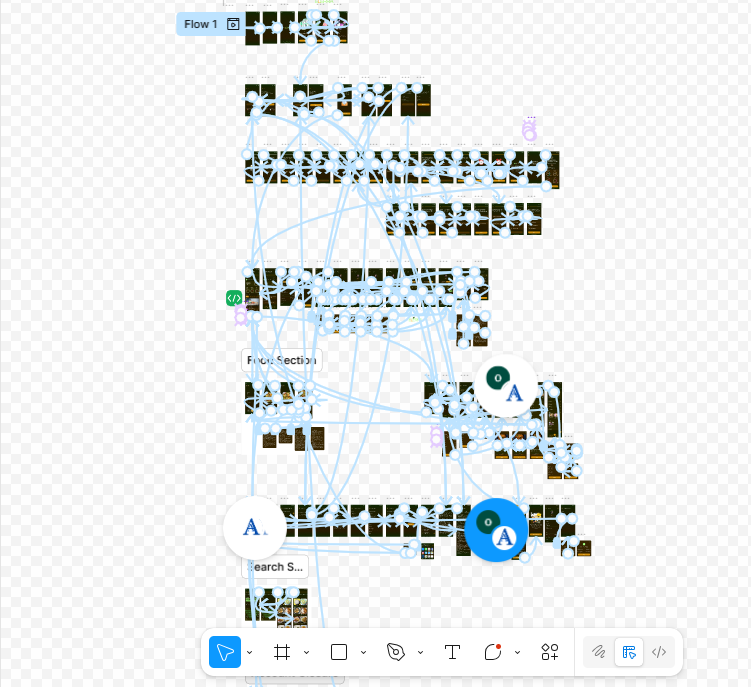
High-fidelity prototype workflow for Elerra’s core features
Reflection
Reflecting on this project, it reminded me how powerful design can be in transforming a raw idea into a user-centered product. It was also a defining moment in my career, one that helped cement my transition from tactical design work to broader product thinking and leadership.